
Understanding the psychological triggers that drive gambling behavior
The Allure of Instant Gratification
Gambling taps into the human desire for instant rewards, making it an enticing activity. Players are often drawn to the excitement of potentially winning a large sum of money in a matter of moments. This immediate feedback can create a rush of dopamine, a neurotransmitter associated with pleasure, reinforcing the behavior and encouraging further play. Many new gamblers are now exploring brand new casinos that offer fresh experiences and exciting opportunities.
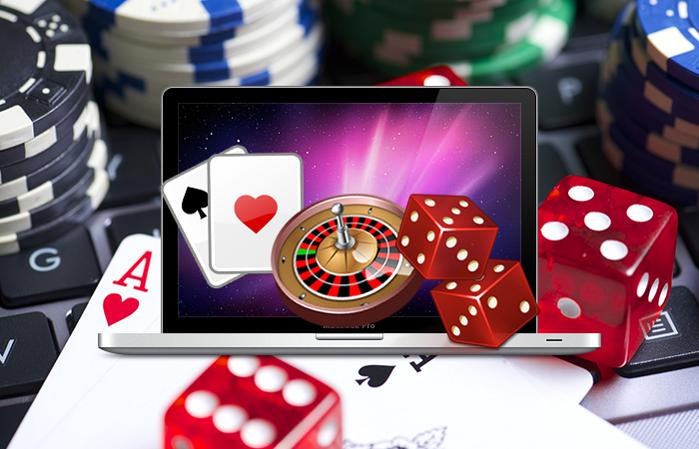
This desire for quick gratification can also lead to impulsive decisions. In the heat of the moment, players may overlook the odds or the long-term consequences of their gambling habits. The thrill of a win can overshadow logical thinking, prompting individuals to chase losses rather than exercising caution.
The Role of Cognitive Biases
Cognitive biases significantly influence gambling behavior. Many gamblers fall victim to the illusion of control, believing that they can affect the outcome of games of chance. This misconception can lead to overconfidence, where players assume they possess skills that might not actually impact the game, such as poker or blackjack.
Social Influence and Environment
The social context in which gambling occurs also plays a crucial role. People are often influenced by peers or the atmosphere in casinos, which can heighten the urge to gamble. The presence of others engaging in gambling activities can create a sense of community or camaraderie, making individuals more inclined to join in.
Moreover, marketing strategies by gambling establishments often exploit social proof. Advertisements showcasing winners can create an aspirational image, encouraging more people to participate, driven by the hope of replicating such success. This social environment can normalize gambling behavior and diminish the perception of risk.
The Psychological Need for Escape
For some individuals, gambling serves as a form of escapism. The thrill of the game can provide a distraction from everyday stressors and personal challenges. In this way, gambling becomes a coping mechanism, allowing players to temporarily forget their problems and immerse themselves in an exhilarating experience.
However, relying on gambling as an escape can lead to compulsive behaviors. As individuals seek refuge in gambling, they may increasingly turn to it during tough times, perpetuating a cycle that is difficult to break. Understanding this psychological need can help identify at-risk individuals and provide appropriate support.

Finding Trusted Gambling Experiences
In the evolving landscape of online gambling, choosing a trustworthy platform is essential for a safe gaming experience. Players should look for sites that prioritize player safety, offer transparent gaming practices, and provide resources for responsible gambling. Expert reviews can guide individuals toward reliable options that suit their preferences, whether they enjoy slots, table games, or live dealer interactions.
By understanding the psychological triggers behind gambling behavior, players can make informed decisions and cultivate a healthier relationship with gambling. Engaging with reputable platforms ensures a balanced approach, allowing individuals to enjoy the thrill of the game while being mindful of their limits.
“`